By Bomibamakhosi Ngwenyama
Research Contributor, Ntate Jane Foundation
Published: August 27, 2025
The COVID‑19 pandemic and the rise of artificial intelligence (AI) have dramatically transformed the face of education across South Africa. For educators and learners alike, these changes came swiftly, bringing both innovation and disruption. In this research-based article, Bomibamakhosi Ngwenyama from the Ntate Jane Foundation explores how these two forces collided and what the lasting consequences are for schools, teachers, and learners.
When COVID‑19 forced schools into sudden closures in 2020, the education sector was thrown into disarray. Teachers had to adapt to new technologies almost overnight. Platforms like Zoom and Microsoft Teams became makeshift classrooms, even as many educators lacked the training or infrastructure to use them effectively.
To manage lost teaching time, many schools revised their Annual Teaching Plans (ATPs), cutting out entire topics from the curriculum. However, matric (Grade 12) exams remained unchanged, creating a mismatch between what learners were taught and what they were ultimately assessed on.
The result? Students entered their final years of schooling with significant knowledge gaps. They had missed not only key content but also critical developmental skills and academic discipline. High school teachers began to notice that even basic concepts expected from earlier grades had to be retaught, adding pressure to an already strained system.
As teaching shifted online, digital access emerged as a major dividing line. While some students had smartphones and internet access to watch lessons and submit homework, many others did not. Teachers were left with a difficult choice: continue teaching those who could connect, or slow down to accommodate those who could not.
This created a two-tier system within the same classrooms, students with access forged ahead, while those without fell further behind. For some learners, the lack of access meant they received little to no education during key periods of lockdown. The gap widened, and many have yet to catch up.
Post-pandemic, the rapid rise of AI has further altered the educational landscape. Tools like ChatGPT are now commonly used by both teachers and learners.
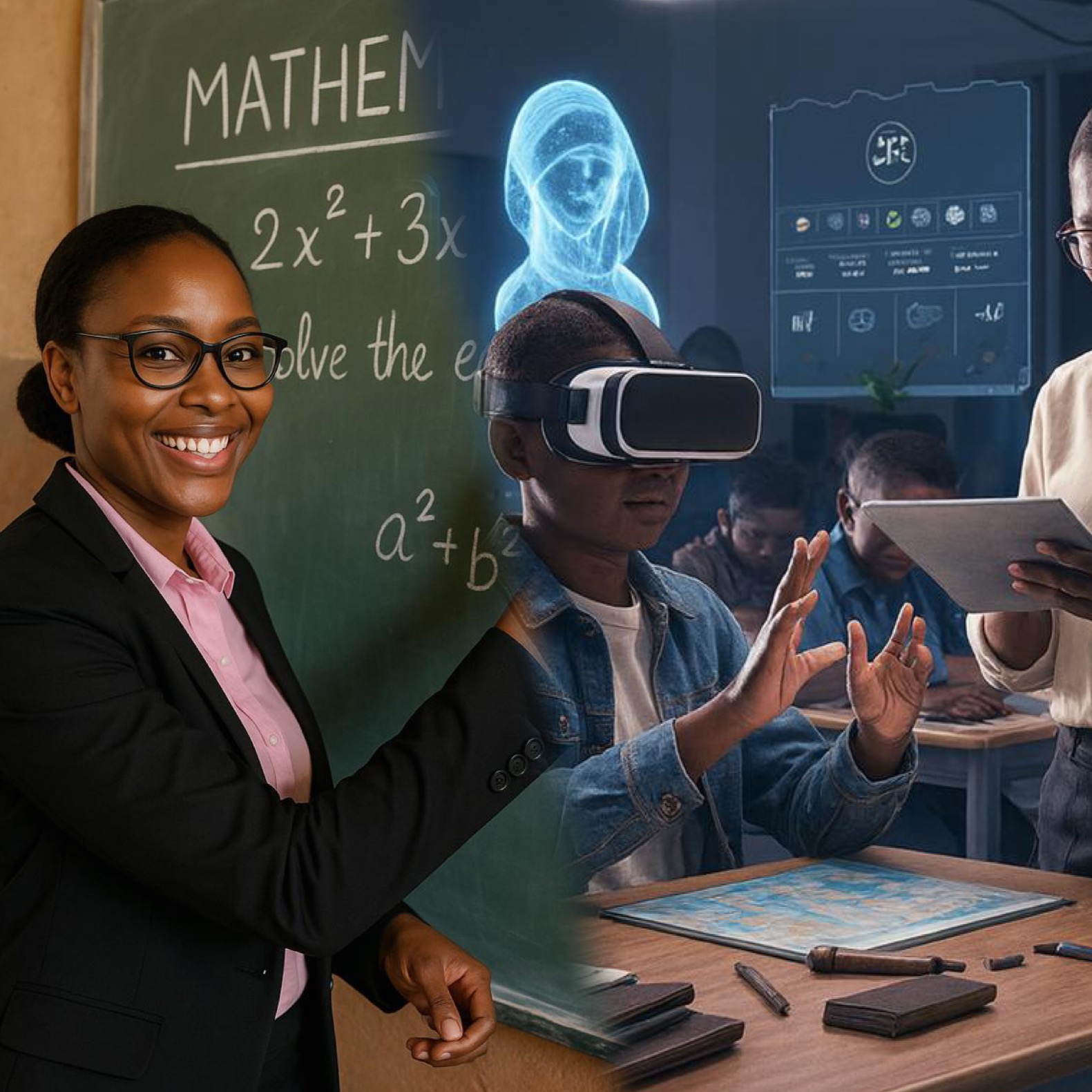
AI has empowered teachers to work more efficiently, automating grading, generating lesson content, and organizing their schedules. It has also helped modernize instruction through digital presentations and multimedia learning tools that are far more engaging than static textbooks.
However, the benefits for learners are more complicated. AI tools make it easy to generate summaries, essays, and even exam answers with little to no effort. Teachers have expressed concerns over originality, especially in language and literature subjects.
To preserve academic integrity, some educators now require in-class writing only, ensuring that what is submitted is truly the learner’s work. While this move protects the learning process, it also underscores the ongoing tension between innovation and accountability.
As students receive tutoring and support to close post-pandemic learning gaps, many teachers are still struggling to adapt to the technological demands of the new era. Some receive no financial or logistical support, even as expectations continue to rise.
Recognizing this, several institutions have stepped in. On October 11, 2024, the University of the Witwatersrand (WITS) hosted a workshop titled “Digital Transformation and Innovation in Education”. The training aimed to equip teachers with skills in computer literacy, internet usage, and AI tools.
Furthermore, the government has introduced a Data Management System (DMS), allowing teachers to enroll in mandatory and elective training modules to boost their digital skills. Still, many educators express a need for more tangible support, such as transportation stipends, access to devices, and dedicated time for professional development.
Despite the many challenges, the disruption caused by COVID‑19 and AI has also created space for opportunity. Educators are discovering new ways to engage learners, and learners are accessing tools that can democratize knowledge when used responsibly.
However, for these changes to be sustainable and equitable, several issues must be addressed:
At the Ntate Jane Foundation, we believe that quality education is a fundamental right, not a privilege. That means empowering both learners and teachers to navigate the rapidly evolving educational environment with confidence and skill.
The lessons of COVID‑19 and the rise of AI are clear: innovation must be paired with inclusion. We must ensure that no one is left behind, not the learners without devices, not the teachers struggling to adapt, and not the communities still rebuilding from the impact of the pandemic.
Are you a teacher, parent, donor, or partner interested in supporting equitable education?
👉 Get Involved | Donate Now | Contact Us